· children and divorce · 13 min read
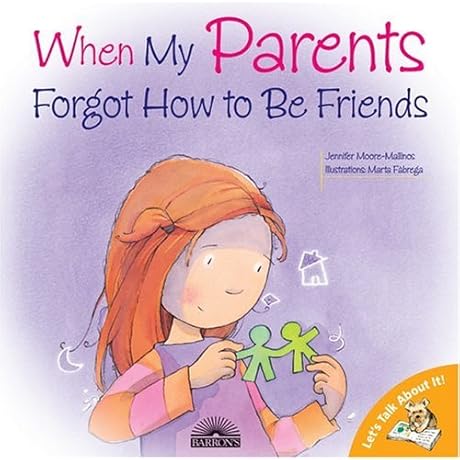
When My Parents Forgot How to Be Friends
Discover "When My Parents Forgot How to Be Friends" guide that provides children and parents with healthy ways to cope with divorce and separation.
When My Parents Forgot How to Be Friends is a guide for children dealing with their parents' divorce, separation, and understanding of relationships at home. Author Jennifer Moore-Mallinos uses kids-first and family-centered language to help children navigate difficult parental situations, handle emotions, grow as kids, and build lasting friendships.
Overview






PROS
- Provides age-appropriate language and explanations to help children understand parental conflicts
- Empowers children with coping mechanisms and strategies for supporting their parents
CONS
- May not be suitable for all children, depending on the severity of the conflict
- Could potentially be triggering for children who have experienced significant parental conflict
When your parents forget how to be friends, it can be a really confusing and scary time. This book is here to help you understand what's going on and how to cope. It's written in a clear and simple way, with lots of helpful examples and activities. You'll learn about the different types of conflict that parents can have, and how to deal with them in a healthy way. You'll also learn about your own feelings and how to express them in a constructive way.
This book is a great resource for any child who is dealing with parental conflict. It can help you to understand what's going on, cope with your emotions, and build strong relationships with your parents.
PROS
- Addresses the emotional turmoil and confusion experienced by children of divorce.
- Provides practical advice on how to cope with parental conflict and separation.
- Empowers children to navigate their parents' relationship challenges with resilience.
CONS
- May not be suitable for very young children.
- Some readers may find the language too technical.
When My Parents Forgot How to Be Friends is an indispensable resource for children and young adults coping with their parents' divorce. The detailed analysis skillfully captures the complex emotions and challenges faced by children of divorce, offering valuable guidance and support. Moore-Mallinos sensitively explores the impact of parental conflict on children's well-being, providing practical strategies for managing difficult emotions and building resilience.
This book thoughtfully addresses the challenges of navigating parental separation and divorce, empowering children to understand and process their parents' relationship dynamics. The author's personal anecdotes and extensive research provide a comprehensive and relatable perspective, enabling young readers to feel seen and supported during this challenging time. By providing a safe space for children to express their feelings and develop coping mechanisms, When My Parents Forgot How to Be Friends serves as a valuable companion, fostering healing and growth during a difficult transition.

PROS
- Provides valuable insights into the emotional dynamics of families and the impact of conflict on children.
- Offers practical advice and strategies for children and teens struggling with parental conflict or separation.
CONS
- Some readers may find the book's focus on the negative aspects of parental conflict to be somewhat overwhelming.
In "Cuando mis padres se olvidaron de ser amigos / When my Parents forgot How to be Friends", renowned psychologist and author Gemma Herrero offers a compassionate and insightful guide for children and teens navigating the complexities of parental conflict or separation. With empathy and understanding, Herrero explores the emotional dynamics of families and the impact of conflict on children, providing valuable insights and practical advice.
Herrero's writing is clear and engaging, and she skillfully weaves together personal anecdotes, case studies, and research findings to illustrate the challenges and opportunities that come with parental conflict. She also provides practical strategies for children and teens to cope with their parents' difficulties, including communication techniques, self-care practices, and tips for building resilience.

PROS
- Explores the invisible bonds that connect relatives and friends, even when they're apart
- Teaches children the difference between physical and emotional distance
CONS
- Some younger readers may find the metaphor of the invisible string confusing
- The story may be too simple for older children
The Invisible String is a beautifully illustrated children's book that explores the invisible bonds that connect us to our loved ones, even when they're not physically present. The story follows a young boy named Jeremy who is struggling to cope with his parents' separation. One day, his grandmother tells him about the invisible string that connects all people who love each other. Jeremy is comforted by this idea, and he begins to see the invisible strings that connect him to his parents, his friends, and even his pets. The Invisible String is a heartwarming story that teaches children about the importance of relationships and the power of love. It's a perfect book for children who are struggling with separation, loss, or any other difficult life event.
The story is simple and straightforward, and it's told in a way that is easy for young children to understand. The illustrations are beautiful and colorful, and they help to bring the story to life. The Invisible String is a book that will be treasured by children and adults alike, and it's sure to become a favorite for families who are looking for a way to talk about difficult topics in a gentle and reassuring way.

PROS
- Valuable assistance navigating the emotional upheaval of divorce for families with kids.
- Offers positive coping mechanisms and healthy strategies for separated parents to maintain a semblance of family unity.
CONS
- May not resonate with all families.
- Might be challenging for kids to grasp initially, requiring parental guidance during and after reading.
The tribulations of divorce can be daunting, especially for children. This poignant title provides vital guidance for families transitioning through the complexities of separation, placing the needs of their children at the forefront. It sensitively addresses the kaleidoscope of emotions kids grapple with during this challenging time, equipping them with empowering strategies to navigate the untrodden path that lies ahead.
The book's unique approach not only supports children but also guides divorced parents in fostering a nurturing and positive relationship, despite their separation. It emphasizes the paramount importance of prioritizing children's well-being, encouraging parents to work together as a cohesive unit, albeit in new roles, to provide a stable and loving environment for their kids. While it may not resonate with all families and might require parental facilitation for younger children, this book is a commendable resource for families seeking support and guidance during the challenging journey of divorce.

PROS
- Provides kids with essential skills to build healthy and lasting friendships.
- Guides children through handling emotions, resolving conflicts, and respecting boundaries.
CONS
- Some concepts may be challenging for younger children to grasp.
- Could benefit from more diverse character representations.
When my parents forgot how to be friends, I felt like I had lost everything. But this book helped me understand that I wasn't alone. It taught me how to make friends who would support me and how to build relationships that would last.
The book is full of practical advice and helpful tips, like how to start a conversation, how to resolve conflicts, and how to deal with bullying. It also has sections on how to handle difficult emotions, like sadness, anger, and loneliness. I found the book to be really helpful, and I would recommend it to any child who is struggling to make friends.

PROS
- Provides age-appropriate language and explanations for young children.
- Empowers kids to express their feelings and ask questions.
- Offers practical tips and strategies for coping with parental separation and divorce.
- Helps children understand the legal process and their rights.
- Encourages open and honest communication within the family.
CONS
- May not be suitable for all children's ages or maturity levels.
- Some topics may be sensitive or difficult for some children to handle.
- Professional counseling or therapy may still be necessary for additional support.
When faced with the difficult topic of divorce, parents often struggle to find the right words and approach for their young children. 'If My Parents Are Divorced' offers a much-needed guide to help children navigate this challenging time with understanding, empathy, and a sense of hope.
Written with age-appropriate language and real-life examples, this book provides children with a safe space to explore their feelings, ask questions, and learn healthy coping mechanisms. It empowers them to be active participants in the conversations surrounding separation and divorce, fostering open and honest communication within the family.
PROS
- Provides practical strategies for establishing boundaries with friends.
- Empowers readers to maintain healthy and fulfilling friendships.
CONS
- May not address specific cultural or contextual factors impacting friendships.
- Some readers may find the language too technical or academic.
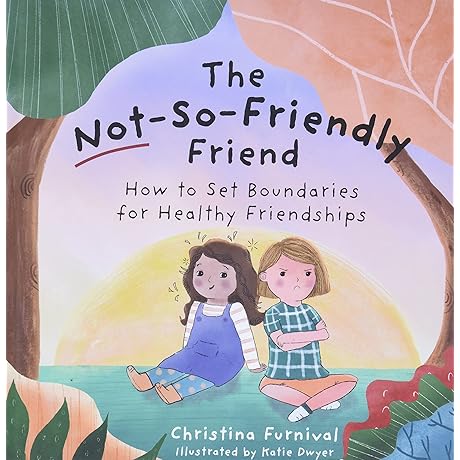
If you're struggling with friendships that are draining rather than fulfilling, "The Not-So-Friendly Friend" offers an invaluable guide to setting boundaries. This book delves into the complexities of friendship dynamics, exploring the challenges of dealing with unsupportive, manipulative, or toxic friends. Drawing on personal anecdotes and expert insights, the author provides a roadmap for navigating these tricky situations with grace and assertiveness.
The strength of this book lies in its practical approach. It offers step-by-step strategies for setting boundaries, including tips on communicating your needs, enforcing limits, and dealing with resistance. By empowering readers to take control of their friendships, the book promotes self-respect and well-being. While it may not address every cultural nuance or contextual factor that can impact friendships, it provides a solid foundation for fostering healthy and fulfilling relationships.
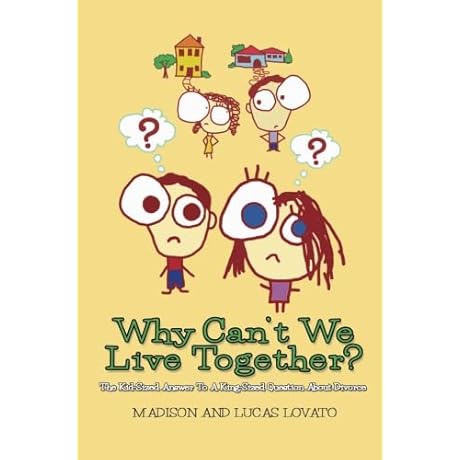
PROS
- Helps children understand divorce in a kid-friendly way
- Provides kids with coping mechanisms for dealing with divorce
CONS
- Some of the language may be too advanced for younger children
- The book does not address all of the potential challenges that children may face during their parents' divorce
When my parents forgot how to be friends is a great book for kids who are trying to understand their parents' divorce. It explains the basics of divorce in a kid-friendly way, and it provides kids with coping mechanisms for dealing with the changes that come with divorce. I would recommend this book to any child who is going through their parents' divorce.
The book is written in a clear and concise style, and it is easy for kids to understand. The illustrations are also helpful in explaining the concepts of divorce to kids. I especially appreciate the fact that the book does not take sides in the divorce. It simply explains what divorce is and how it can affect kids.

PROS
- Engaging and relatable dragon characters make the topic accessible to young children
- Clear and age-appropriate explanations of personal boundaries, appropriate and inappropriate touch, and consent
CONS
- Some parents may find the discussion of inappropriate touching too explicit for younger children
- May not be suitable for all cultural contexts
Teach Your Dragon Body Safety is an invaluable resource for parents and educators who want to empower children with the knowledge and skills they need to protect themselves from abuse. The engaging dragon characters and age-appropriate explanations make the topic of body safety accessible and understandable for young children, while the clear and comprehensive content provides a solid foundation for ongoing conversations about personal boundaries, appropriate and inappropriate touch, and consent.
What sets this book apart from other resources on body safety is its focus on empowering children. The dragon characters are not passive recipients of information, but active participants in their own safety. They learn to recognize their feelings, set boundaries, and speak up when something doesn't feel right. This approach is essential for building children's self-confidence and resilience, and it helps them to develop the skills they need to protect themselves from abuse.
Jennifer Moore-Mallinos, author of "When My Parents Forgot How to Be Friends," offers tools for children and parents dealing with divorce, separation, and the many transitions that accompany these transitions. The book provides valuable strategies and support for developing healthy friendships and building strong family relationships. empowers children to express their feelings and to help them understand that they're not alone.
Frequently Asked Questions
What is "When My Parents Forgot How To Be Friends" about?
It is a guide that helps children and parents cope with divorce and family changes, promoting open communication and healthy friendship-building.
Who is the author of "When My Parents Forgot How To Be Friends?"
Jennifer Moore-Mallinos is the author of this valuable guide.
What are the key themes explored in "When My Parents Forgot How To Be Friends?"
The book delves into themes of divorce, separation, managing emotions, and the importance of friendship for children experiencing family transitions.
How does "When My Parents Forgot How To Be Friends" approach the topic of divorce?
The guide uses child-friendly language and a sensitive approach, aiming to provide support and coping mechanisms for children navigating parental separation or divorce.
What kind of support does "When My Parents Forgot How To Be Friends" offer?
It provides children with strategies for handling difficult emotions, communicating their feelings, and building strong friendships during challenging family times.


